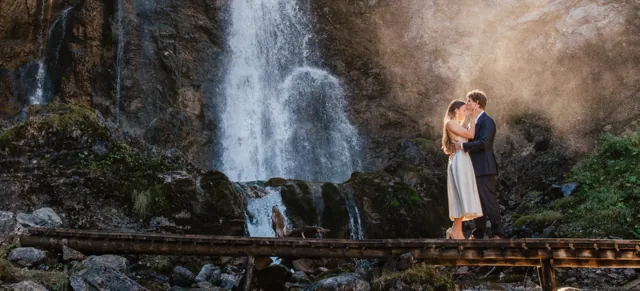
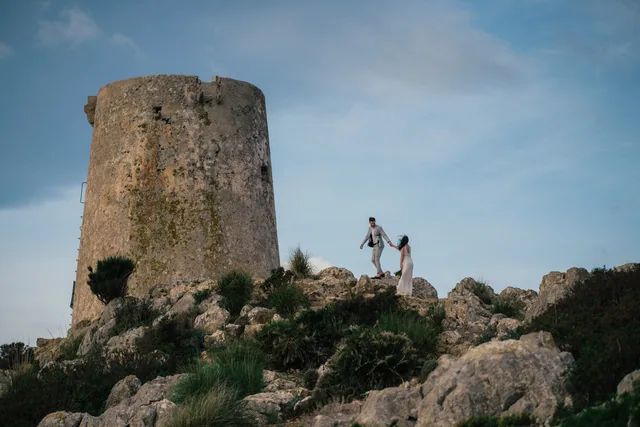
Everyone’s Italy is different. For some couples it’s a ridge in the Dolomites at sunrise. For others it’s cypress lanes in Tuscany, a lake with villas on the shore, or a quiet street of honey-coloured stone before the city wakes.
That’s exactly why eloping in Italy works so well, and why planning it can feel impossible. One country holds five completely different wedding days. This guide sorts them honestly: what each region actually gives you, what’s legal for foreigners, what it costs, and when to go.
Why Italy spoils you for choice
Italy compresses an entire continent’s worth of scenery into one boot. Alpine peaks in the north, vineyard hills in the middle, a coastline that drops into the sea, and cities people cross oceans to stand in.
The practical side holds up too. Direct flights reach a dozen airports, trains connect the famous places, and the food makes even the planning trips worth it. And the light, especially in the golden hours, is the kind photographers move countries for.
I keep coming back to Italy with a camera, year after year. The advice below comes from those trips: real walking, real seasons, real crowds, not a stock-photo idea of the country.
Which Italy is yours?
The honest comparison nobody puts on their package page. Each region below can carry a whole elopement; they just carry very different days.
The Dolomites
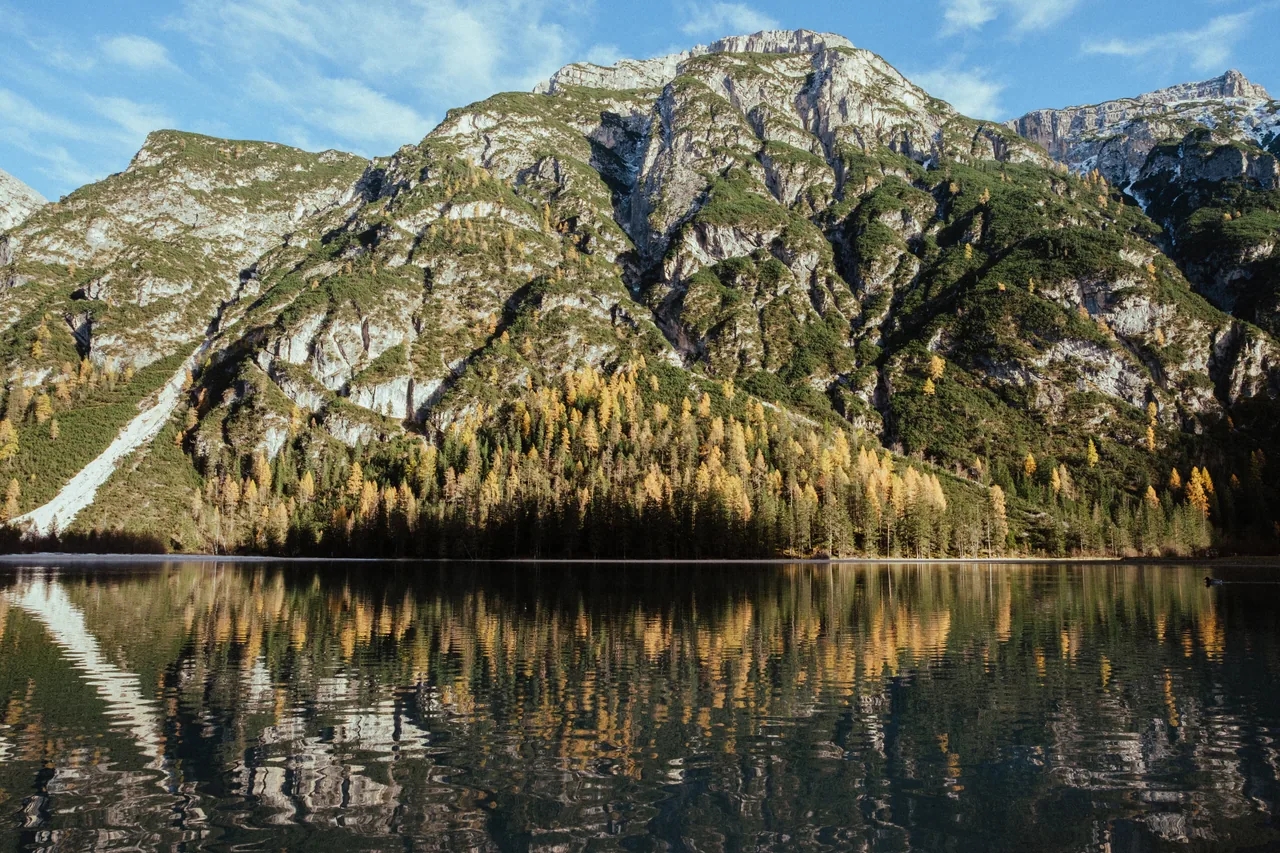
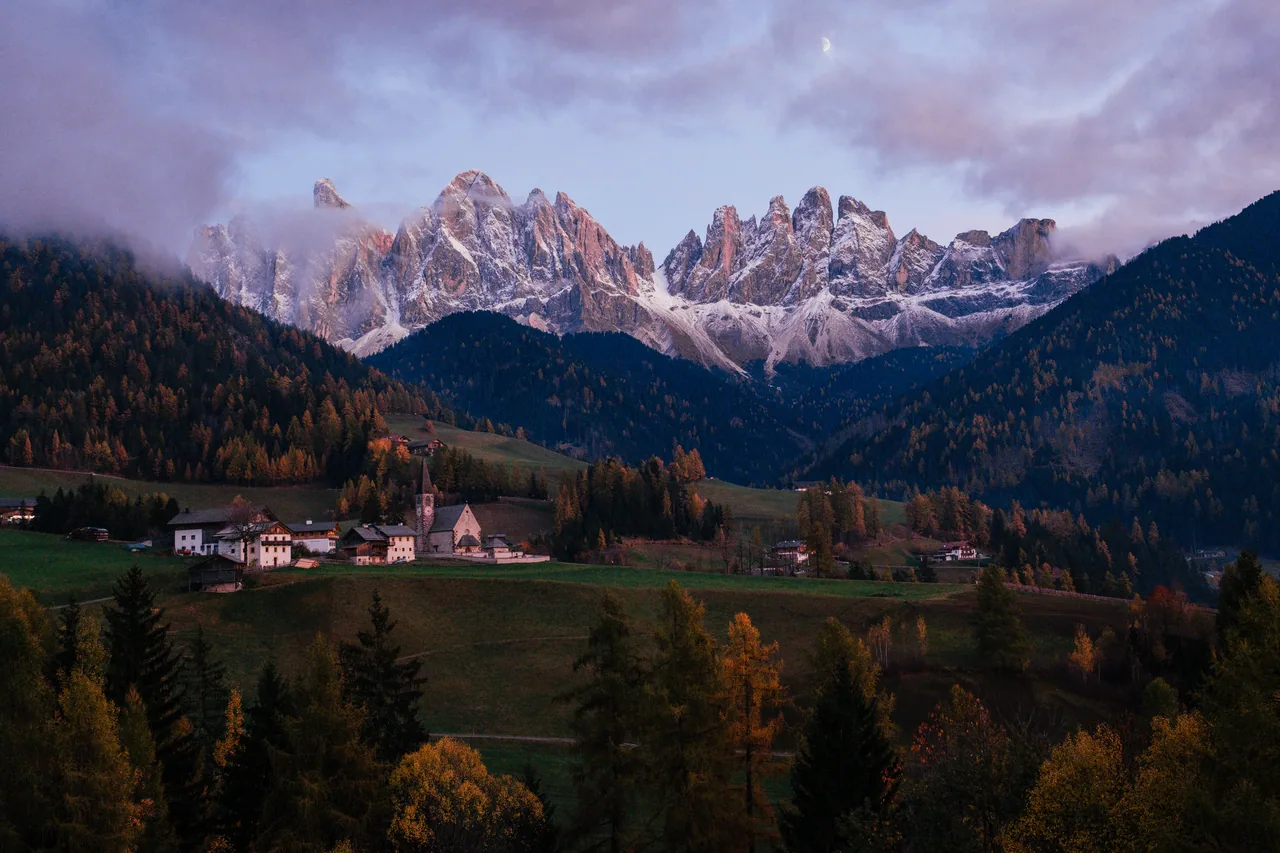
Jagged limestone, green meadows, mountain huts that serve proper lunch at altitude. The Dolomites are Italy’s most dramatic backdrop, and cable cars put the big views within reach of wedding clothes.
Honesty first: the famous viewpoints draw real crowds in high summer, sunrise included. The window for high routes runs roughly mid-June to late September, with golden larches arriving in October. If mountains are the dream but you want them quieter, the Austrian Alps next door make a strong case too.
Tuscany and its hill towns
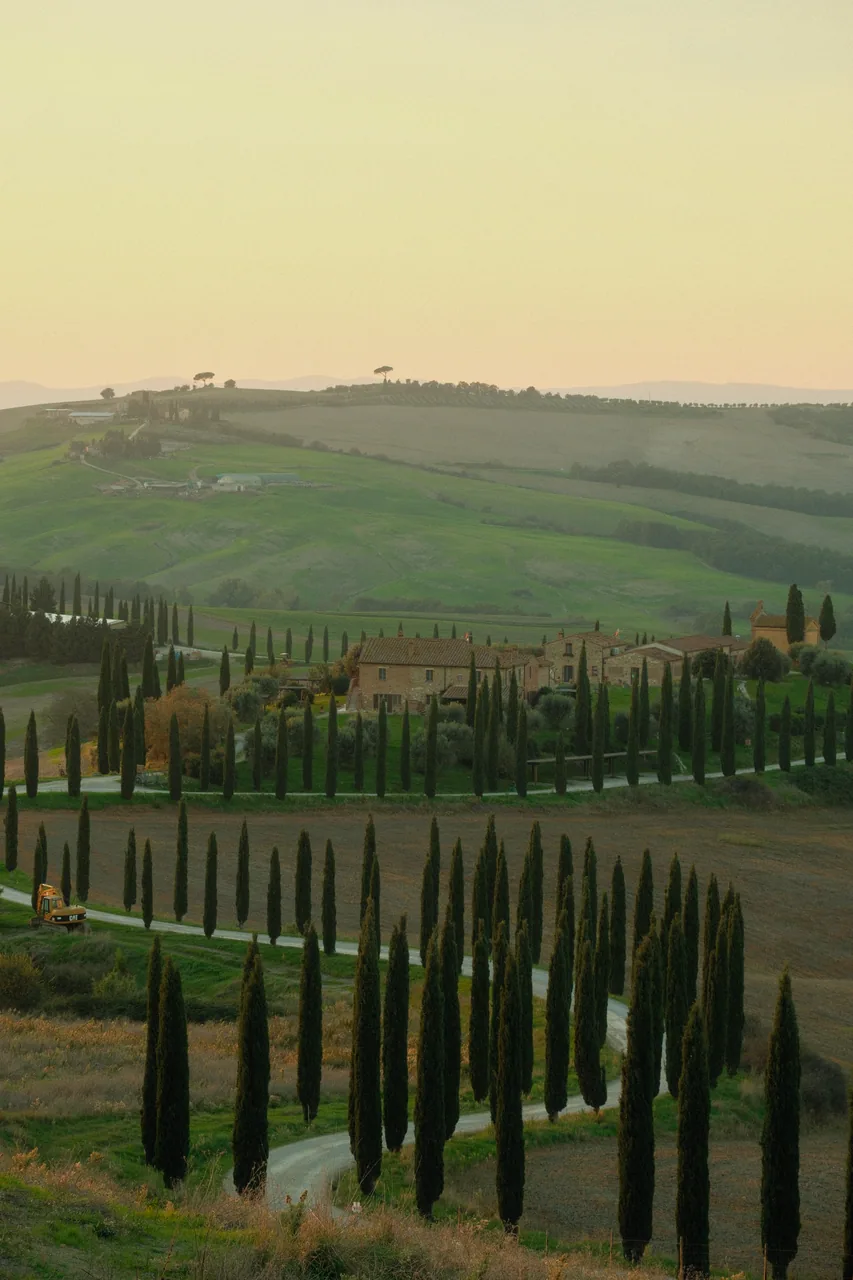
Rolling hills, cypress lanes, towns like Siena and Lucca that have been beautiful for eight hundred years. Tuscany is the soft, warm Italy most people picture first, and it photographs in autumn and spring like nowhere else.
It hides a wilder corner too: the Alpi Apuane, the marble mountains above the coast, where the views turn rugged an hour from the vineyards. Most couples never hear about them. That contrast in one region is hard to beat.
The lakes: Como and Garda
Lake Como is the famous one: villas, cypress shores, mountains rising straight from the water, ferries instead of taxis. It earns the reputation, and it knows it, with prices and crowds to match in summer.
Lake Garda runs quieter and bigger, alpine at its northern end, Mediterranean at its southern. Both reward early mornings on the water and shoulder-season light.
The Amalfi Coast and the south
Cliff towns stacked above the sea, lemon terraces, boats as transport and as ceremony venues. Positano and Ravello are the names everyone knows, and from May to September the coast is properly full.
Come in the shoulder months and the south repays you with warm sea light and slower days. Further down, Puglia offers white towns and olive groves at a gentler pace, the south’s quiet alternative.
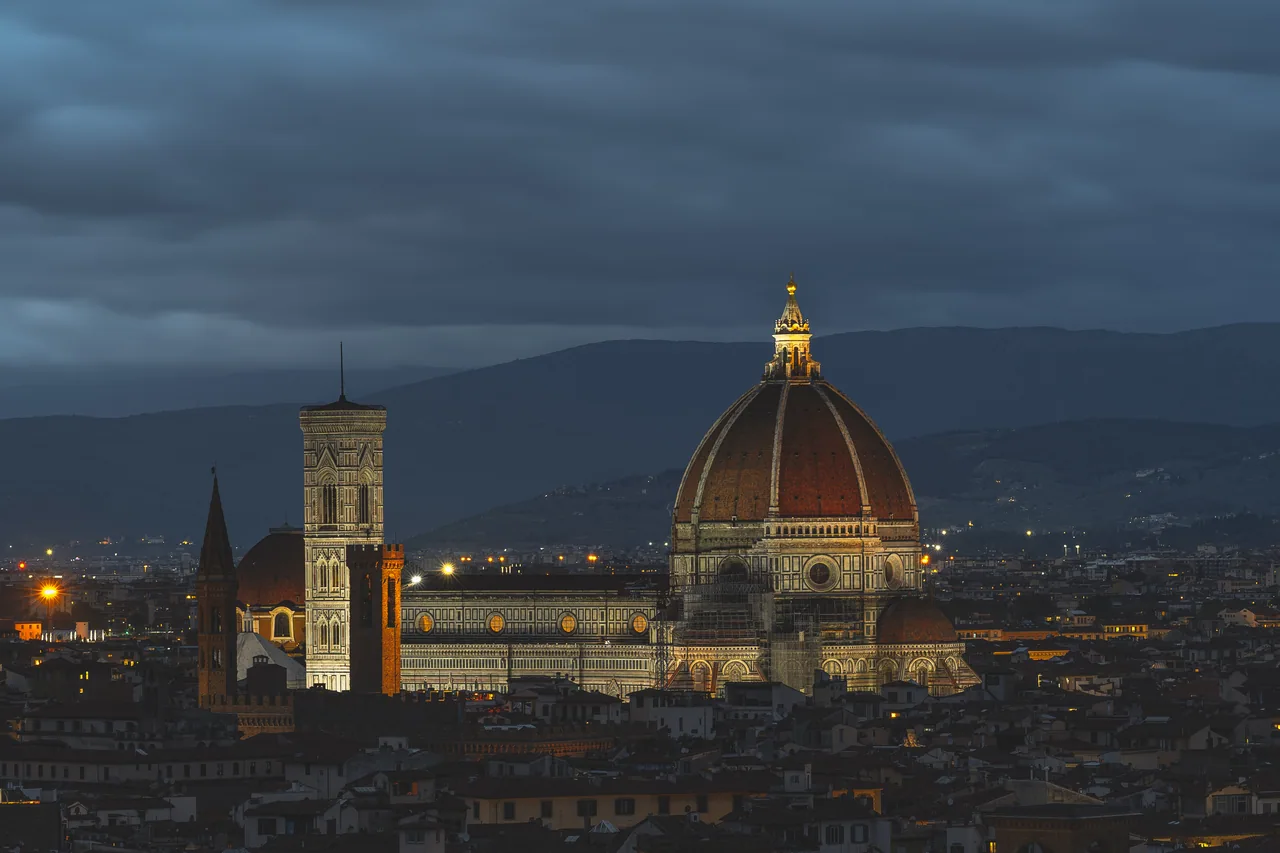
The famous cities: Rome, Venice, Florence
City elopements run on different physics: permits for the famous spots, and crowds that arrive by mid-morning. The best hour is dawn, when the streets still belong to you. Rome at first light is a different city from Rome at noon.
Venice rewards winter, fog on the lagoon included. Florence pairs beautifully with the Tuscan hills, a city morning and a countryside evening in one day. None of these are easy backdrops; all of them are worth the effort it takes.
Cinque Terre and the coastal villages
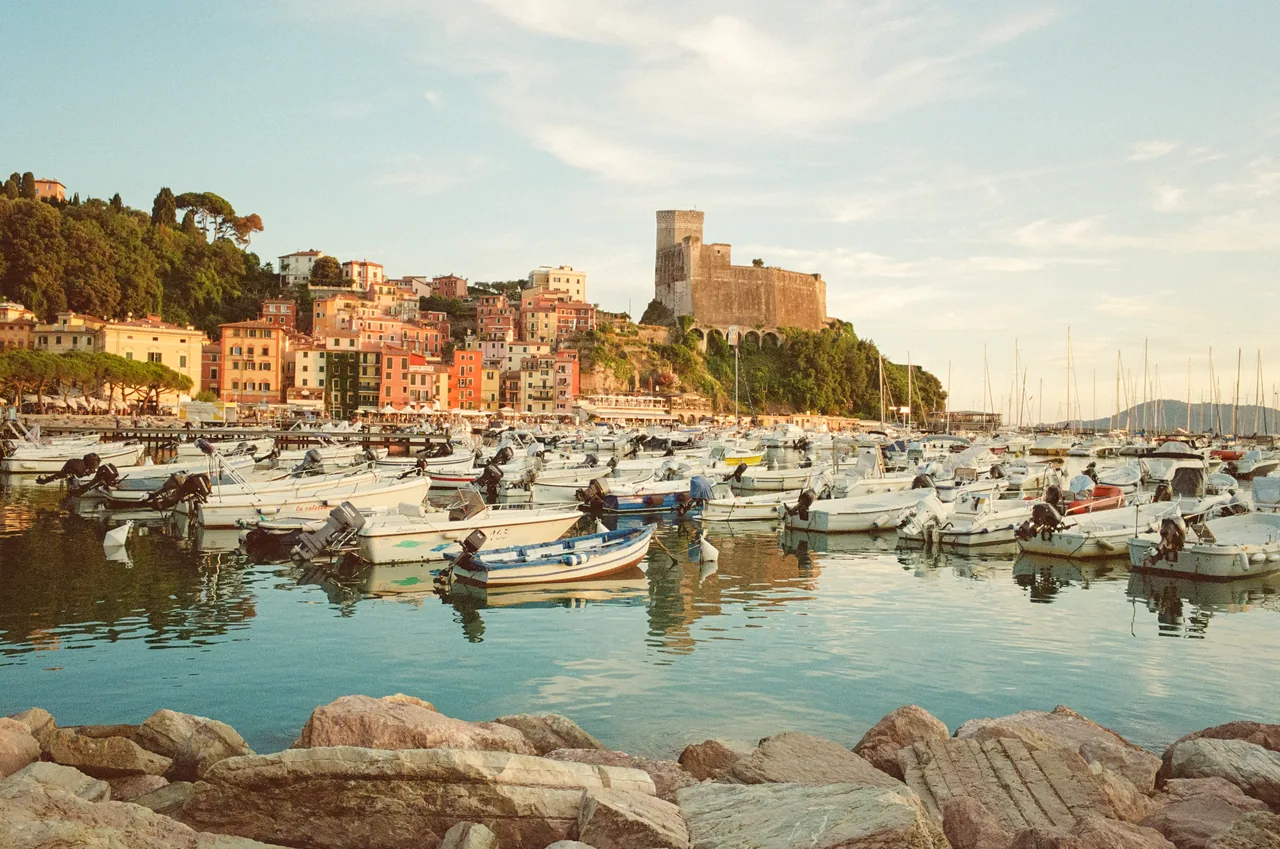
Five villages stitched to a cliffside, plus quieter neighbours like Lerici and Portovenere along the same coast. The trails between them are as good as the postcards, and as busy in season.
These work best as a chapter of a bigger Italian day or a slow shoulder-season elopement. I’ve shot this coastline on film, and the colours feel made for it.
Is it legal for foreigners to marry in Italy?
Yes, and Italy is friendlier to non-residents than Spain or France. The recipe: a nulla osta, a consulate certificate confirming nothing prevents your marriage. Add certified translations and a declaration at the town hall where you’ll marry. Some historic towns charge a hall fee.
The catch is lead time. Three to six months is realistic, and the documents have expiry windows, so the order of operations matters. Start early and it’s entirely manageable.
The alternative most couples take: marry legally at your registry office at home, then hold the real ceremony anywhere in Italy with zero paperwork. Any ridge, any shore, any hour. The full trade-offs live in legal vs symbolic ceremonies in Europe.
What eloping in Italy costs
The honest frame first: an Italian elopement isn’t automatically cheap, and it doesn’t need to be cheap to make sense. You’re trading a guest list for place and time.
My packages covering Italy start around €3,600 to €3,900 depending on the region, with travel and both film and digital always included. Add your own trip, any hall or venue fees, and the experiences you want: a boat on Como, a rifugio dinner, a private terrace. A simple shoulder-season version of the whole day can stay around €6,500 all in; a multi-day production with the big extras passes €20,000.
The line-by-line breakdown, with two worked examples, is in how much it costs to elope in Europe. My region pricing is on the pricing page.
When to go
April to June and September to October are the country’s sweet spots: warm, softer light, manageable crowds. High summer belongs to the Dolomites and the high lakes; the cities and the south run hot and full. Winter is the secret for Venice, Rome and Florence, when the light goes low and the streets empty out.
Per region, the rule of thumb is simple. Mountains: summer into early autumn. Hills and lakes: spring and autumn. Coast: the shoulder months. Cities: anything but August.
Do you need a wedding planner?
For a day built around the two of you: usually not. A photographer who knows the country, a town hall or celebrant, and a good dinner reservation cover most elopements. Planning support is part of how I work, so locations, timing and backups don’t land on you.
Some days do earn a planner. A legal ceremony at a famous venue, a villa wedding with guests, or logistics stacked across several places in one day. If that’s your shape, I’ll say so on the call.
How to start
Region first. It decides your season, your cost tier and the entire texture of the day, so don’t start with a venue or a Pinterest board. Then settle legal versus symbolic early, because one of those paths has a six-month runway.
After that it’s the normal path: photographer, stay, timeline built around light. The full sequence is in the Europe planning guide, and Italy follows it exactly.
One country, five wedding days
Italy’s real luxury is choice: peaks, hills, lakes, coast and stone streets, all inside one border, all reachable inside one trip. Pick the region that sounds like the two of you and the rest of the planning falls into order behind it.
If you’re circling between a lake, a ridge and a hill town, tell me what you’re picturing. I know these regions with a camera in hand, and I’d love to help you choose.
Frequently asked questions
01 Can foreigners legally marry in Italy?
Yes. Italy asks non-residents for a nulla osta from their home country's consulate, translations and a declaration at the town hall, and the whole process rewards three to six months of lead time. Many couples skip all of it by marrying legally at home and holding the ceremony in Italy.
02 Can you get married in Italy spontaneously, as a tourist?
As a tourist, yes, with preparation. Spontaneously, no: the paperwork has a lead time of weeks to months, and town halls book ahead. If spontaneity is the dream, do the legal part at home and keep the Italian day completely free.
03 How much does it cost to elope in Italy?
My photography packages that cover Italy start around €3,600 to €3,900 with travel included, depending on the region. On top of that come your trip, any town-hall or venue fees, and the experiences you choose. A simple version of the whole day stays well under what most weddings cost.
04 Do we need a wedding planner to elope in Italy?
For a day built around two people, usually not. A photographer who knows the country, plus the town hall or a celebrant, covers most of it. A planner starts earning their fee when you want a legal ceremony at a famous venue or a bigger group of guests.
05 Where should we start?
Pick your region first, because it decides the season, the cost tier and the whole feel of the day. Then settle the legal-or-symbolic question early. If you'd rather talk it through, that's exactly what my planning calls are for.