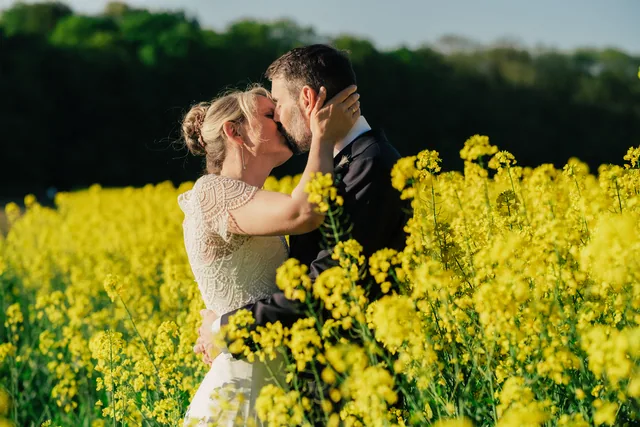
Maybe you’ve heard the word and pictured a couple sneaking off to a courthouse. Or you’ve seen mountain-top ceremonies on Instagram labelled “elopement” and wondered which version is true.
The short answer first. An elopement wedding is a small, fully planned wedding built around the couple instead of an audience. It usually means just the two of you, or a handful of guests, marrying in a place you chose because you love it. Nothing about it is rushed or secret anymore. This guide explains where the word came from, how eloping works today, and how to tell if it fits you.
The word used to mean something else
For most of history, eloping meant running away to marry in secret. No planning, no guests, often no approval from anyone. That’s still the dictionary definition, and it’s why your grandmother might raise an eyebrow at the word.
England’s runaway couples famously raced for the Scottish border, where looser laws let them marry at Gretna Green, the first village past the line. The local blacksmith would marry them over his anvil, with two witnesses pulled in off the street. The village still trades on those stories today.
The meaning has shifted over the last decade, and not everyone got the memo. Planning forums are full of people arguing about it. So it’s worth being precise about what couples mean today.
A modern elopement is deliberate, not impulsive. It’s planned over months, photographed properly, and celebrated openly. The only thing it borrowed from the old meaning is the freedom.
What counts as an elopement today
There’s no official rulebook, but a working definition holds up well. It’s an elopement when the day is shaped entirely around the two of you, not around hosting.
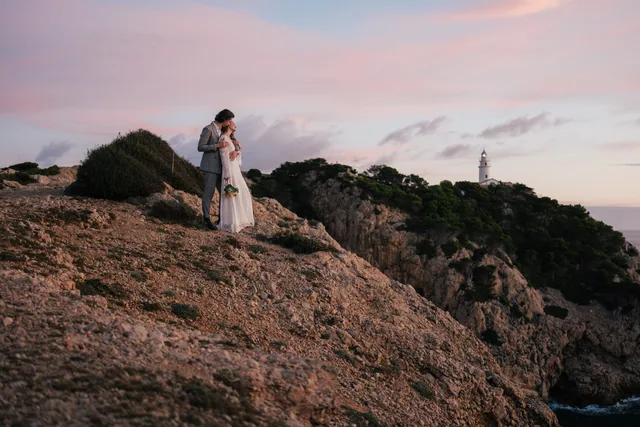
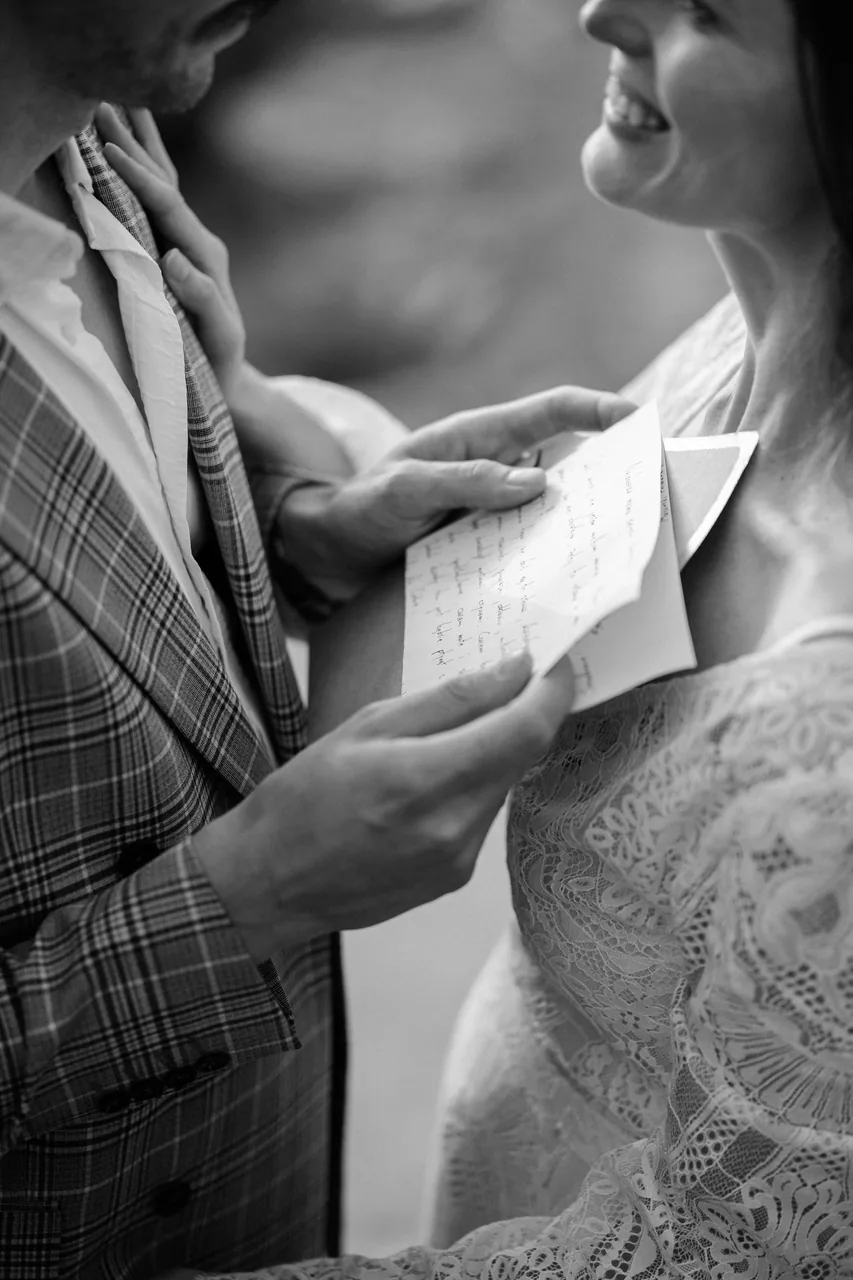
That usually looks like this. A ceremony in a place chosen for itself: a ridge, a coastline, an old town, a forest. Zero guests, or a small handful of your closest people. Vows you actually wrote, a timeline that follows light instead of a venue schedule, and a proper dinner instead of a reception.
A courthouse visit can be part of it, but it doesn’t have to be. And once a guest list grows past “a handful” into hosting territory, you’re looking at a micro wedding instead. The line is soft, and you get to draw it.
How does an elopement wedding work?
In practice, eloping follows a simple sequence. Most couples spread it over six to twelve months, though it can move much faster.
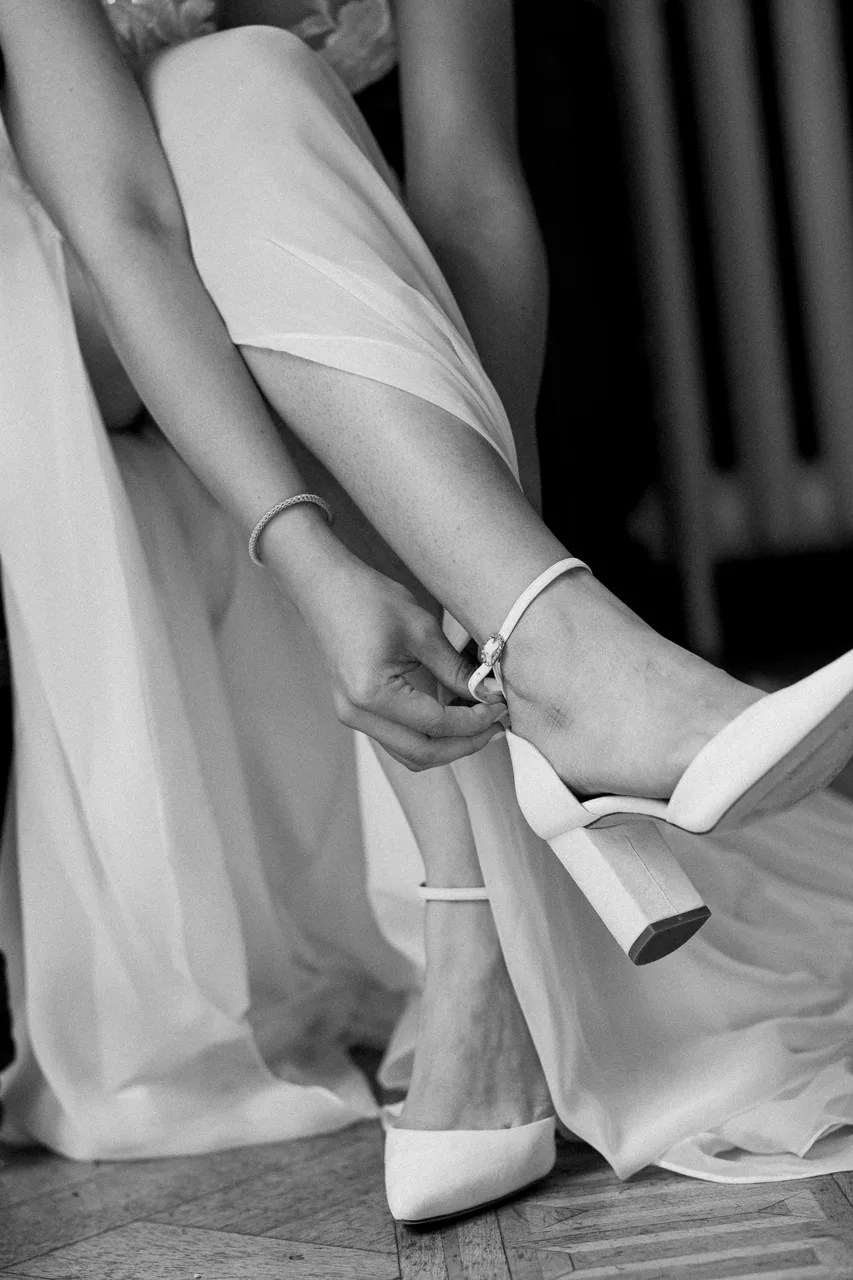
First, you decide what kind of day you want: hiking boots or linen dress, sea or mountains, just you two or a few people. Second, you pick a region and a season to match. Third, you settle the legal question, which usually means marrying officially at home and holding the real ceremony wherever you like.
Fourth, you book the small handful of vendors that matter, usually a photographer first, since most of us help plan the rest. Fifth, you build a loose timeline around the best light. And sixth, you show up and live it, with someone else carrying the logistics.
That’s the whole of it. If you want each step unpacked, the full guide to planning an elopement in Europe walks through it.
What the day itself can look like
Forget the rigid run sheet. An elopement day is built around light and appetite; there is no venue schedule to obey.
A typical full day might start slow: breakfast, a swim, getting ready somewhere with good window light. The ceremony lands in the late afternoon, when the light turns warm. Then vows, rings, something cold to drink at a viewpoint, photos while the sun drops, and a long dinner at a place you’d never fit eighty guests into.
A half-day version simply trims the front. There’s no single right shape, which is rather the point.
Five myths worth clearing up
“Eloping means no one can know.” Not anymore. Most eloping couples tell everyone, share photos widely, and often host a relaxed party at home later.
“It’s a budget move that looks cheap.” An elopement can be far more polished than a rushed big wedding. Real flowers, a great dress, a proper photographer; just multiplied by two people instead of a hundred plates.
“It’s only for hikers.” No mountain required. Old towns, gardens, coastlines reachable in sandals, a quiet finca courtyard. The format bends to whatever you two have in mind.
“It’s basically a courthouse visit.” Most elopements never see one. The ceremony usually happens outdoors, planned like a small expedition, with the paperwork handled separately.
“It’s a lesser wedding.” The vows, the rings, the legal status and the photographs are exactly as real. Only the audience is optional.
Where do people actually elope?
Anywhere worth standing, which in Europe is a long list. Mountain regions like the Austrian Alps deliver lakes, waterfalls and ridgelines. Islands like Mallorca pack coast, mountains and old villages into one short trip. Forests, castles and city old towns all work too.
The honest answer is that the place follows the couple. Rankings are for travel magazines. The Europe planning guide shows how to choose yours.
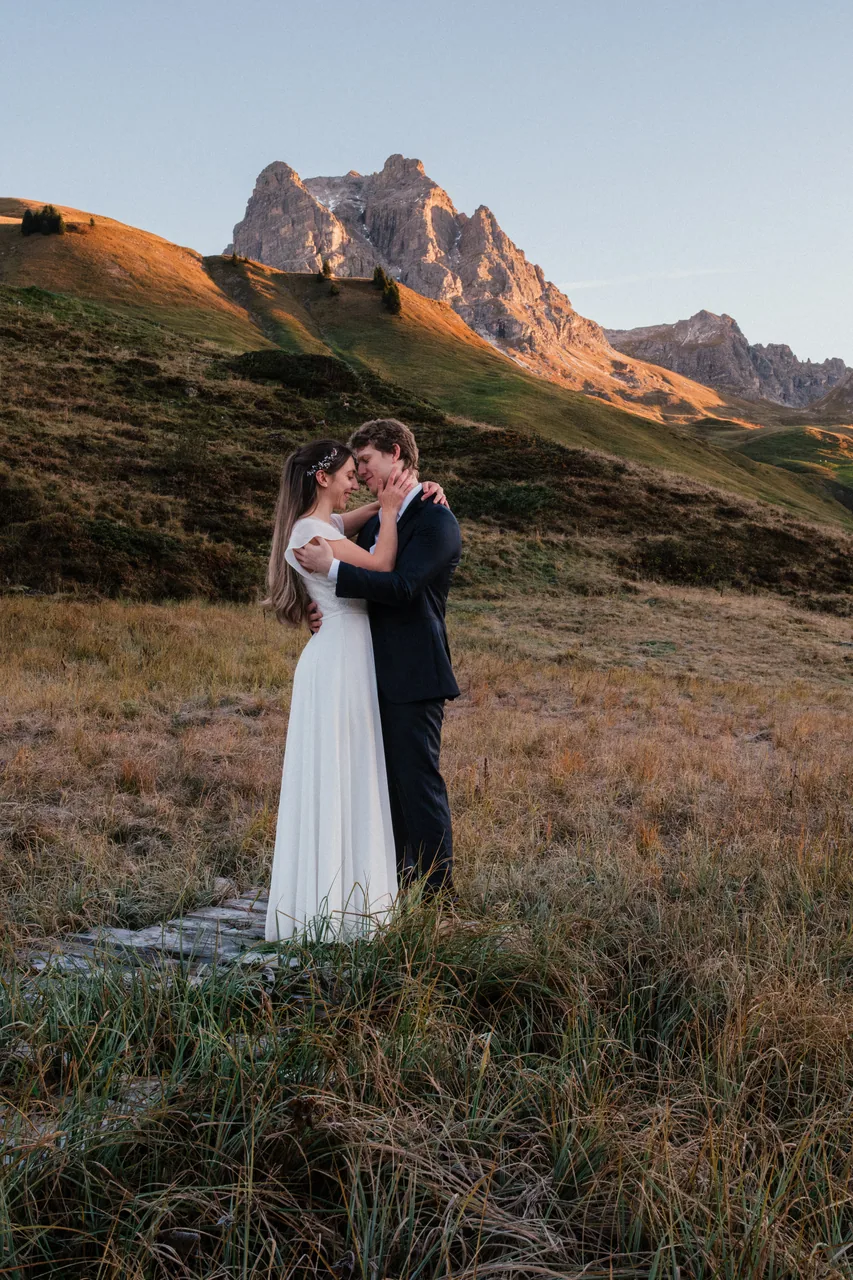
Why do people elope?
Ask actual couples and the same reasons come up again and again.
The most common one: they want to be present at their own wedding. A traditional day puts you on stage in front of everyone you know, on a strict schedule, with months of seating-chart politics behind it. Plenty of people love that. Plenty of others only realise afterwards that they spent the day performing.
Other reasons are practical. An elopement redirects the budget from hosting toward a place and an experience, and you decide how big that experience gets. Some couples have family situations that would make a big day heavy. Some simply care more about standing somewhere extraordinary than about a dance floor.
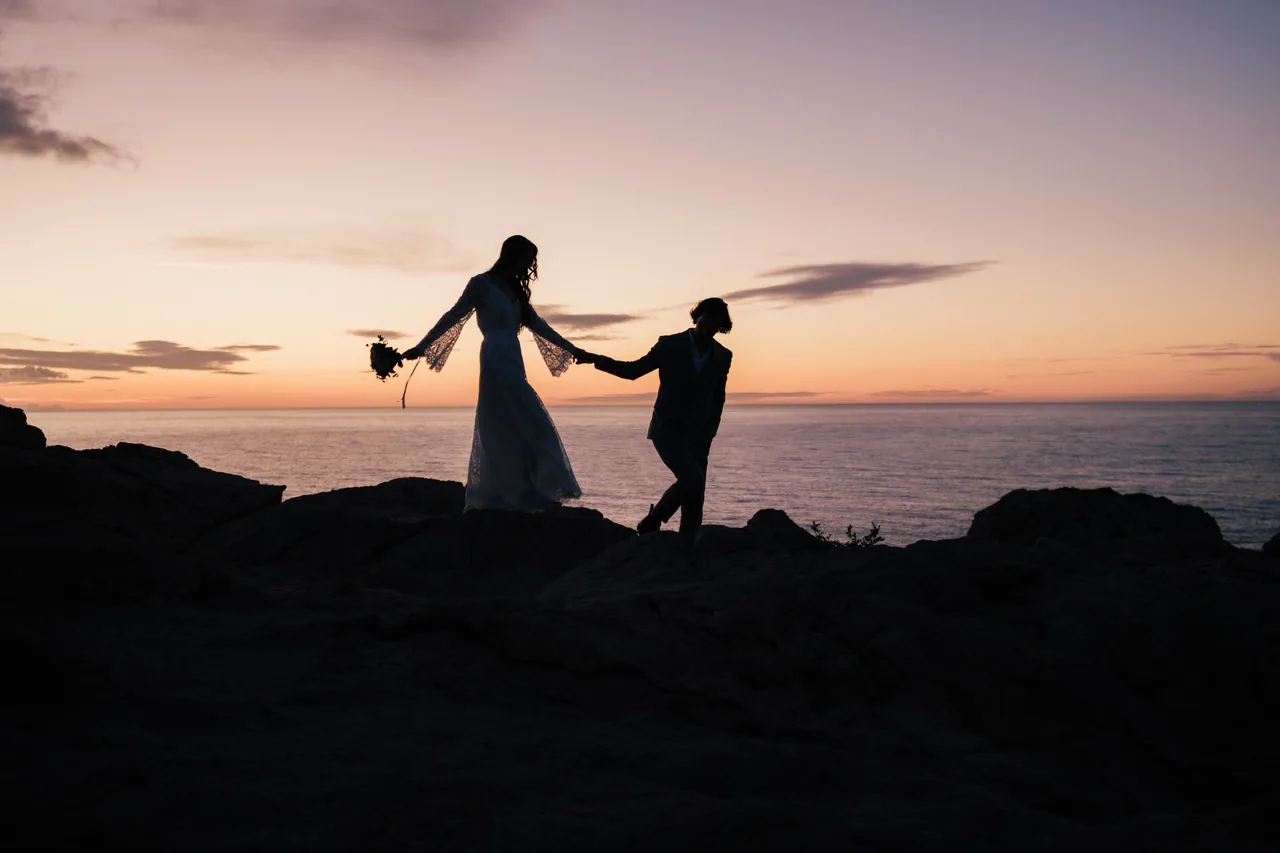
Is an elopement legally real?
Yes, if you want it to be. There are two routes, and both are completely normal.
Many couples do the paperwork at their local registry office, quietly and cheaply, before or after the trip. The ceremony abroad is then symbolic: real vows, real rings, no forms on a mountain. The alternative is marrying legally at the destination, which works but involves more admin in most European countries.
Neither version is “fake”. The full breakdown is in legal vs symbolic ceremonies in Europe.
Elopement, micro wedding, or full wedding?
Think of it as a scale of audience size. An elopement is zero to a handful of guests, built around the couple. A micro wedding is roughly ten to thirty guests, a real hosted event in miniature. A full wedding is everything above that.
The right answer depends on who genuinely needs to be there, and what you want the day to feel like. Two posts go deeper. Elopement vs wedding covers the honest pros and cons, and micro wedding vs elopement helps if a small guest list is calling you.
Is eloping right for you?
A few signs that it might be. You keep trying to shrink the guest list. You care more about the place than the party. The idea of a hundred people watching makes your shoulders tense. You’d rather spend the budget on a week somewhere spectacular than on catering.
And a few signs it isn’t. You light up in a full room. Your favourite part of weddings is the dancing. You’d regret not having everyone there, no matter how beautiful the view. Both answers are valid. The point is choosing on purpose.
Start with the feeling, not the logistics
So that’s an elopement wedding: a real, planned, legally sound wedding, scaled down to the people it’s about. Everything else is detail, and detail can be solved.
If a quiet day somewhere wild sounds like yours, tell me what you’re picturing. I’d love to hear it.
Frequently asked questions
01 Does eloping make you legally married?
It can. Many couples handle the legal paperwork at a registry office at home, then hold their real ceremony wherever they want. Others marry legally at the destination. Both end in a marriage that counts.
02 What's the difference between eloping and a wedding?
Size and focus. A traditional wedding is built around hosting guests; an elopement is built around the two of you, usually with a few guests or none. The marriage itself is exactly as real.
03 What are the disadvantages of eloping?
Some family may be disappointed not to be there, and you skip some traditions. Many couples solve both with a relaxed celebration at home afterwards. For most, the trade is worth it.
04 Can you have guests at an elopement?
Yes. Just the two of you is common, but a handful of your favourite people still counts. Once the day starts being shaped around hosting, it becomes a micro wedding instead.
05 How much does an elopement wedding cost?
As much or as little as the day you want. A simple version can stay around €6,000 to €7,000 all in; a multi-day production can pass €20,000. The budget follows your vision rather than a guest list, and the cost guide breaks it down line by line.